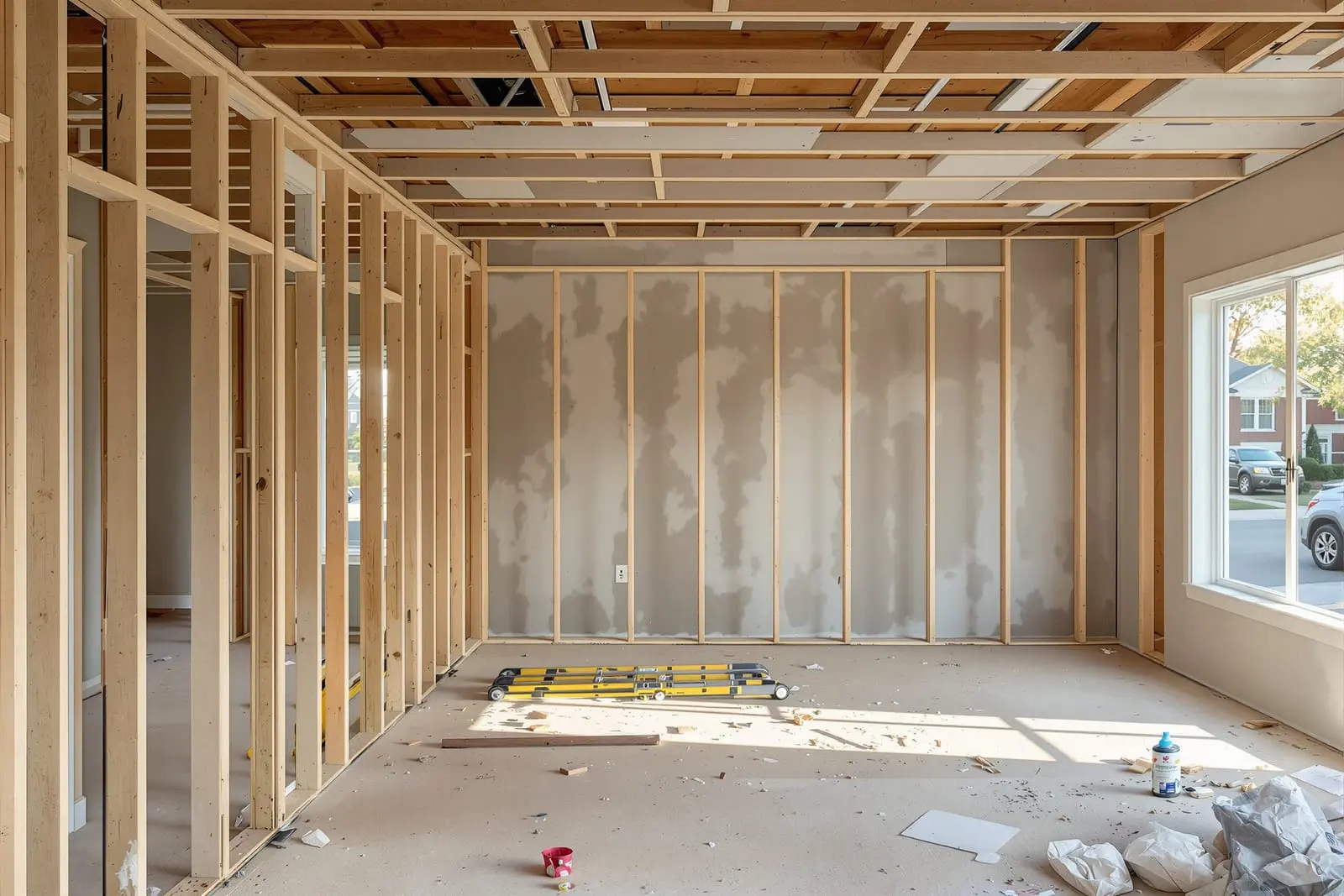
Our interior residential demolition services in Pittsburgh, PA are ideal for kitchens, bathrooms, basements, and full home renovations. We remove walls, flooring, cabinets, and fixtures while protecting structural elements you want to keep. With dust control, careful debris handling, and respect for your property, we prepare your home for a smooth remodel.
Wrexo Demolition Pittsburgh provides professional interior residential demolition throughout Pittsburgh, PA and the surrounding area. Our licensed, insured crew delivers safe, clean, on-time work with a free estimate before anything begins. Call (412) 618-0591 or request your free quote.
Interior Residential Demolition for Pittsburgh Homes
Interior residential demolition is more than knocking down walls. In Pittsburgh, it means carefully opening up older homes, tight row houses, and brick duplexes without damaging the structure you want to keep. Wrexo Demolition Pittsburgh focuses on interior tear outs that prepare your space for remodels, additions, or full layout changes.
Most of our work is in classic Pittsburgh housing stock: 1920s brick homes, post‑war capes, South Side row homes, and larger turn‑of‑the‑century houses in neighborhoods like Lawrenceville, Highland Park, and Dormont. These buildings often have plaster and lath walls, multiple layers of flooring, and surprise materials that newer contractors are not ready for. We plan every interior residential demolition around the age, layout, and condition of your specific house.
Our job is to remove what your remodeler or GC needs gone: walls, ceilings, cabinets, tile, interior brick partitions, non‑load‑bearing framing, flooring, trim, and sometimes old fireplaces or chimney sections above the roofline support. We keep what matters intact: structural framing, exterior walls, mechanical systems you are keeping, and anything your designer has flagged to protect.
Wrexo Demolition Pittsburgh coordinates directly with your general contractor or designer when you have one. When you do not, we walk the home with you, mark what stays and what goes, explain where we need to be careful, and give you a straight answer on what is realistic with your budget and timeline.
How Our Interior Residential Demolition Process Works
Every project with Wrexo Demolition Pittsburgh starts with a site visit, not a guess over the phone. We walk each room with you, talk through your renovation plans, and look for problem areas: sagging ceilings, odd walls that may be load bearing, previous DIY work, and signs of old water damage. We also ask about pets, parking, and building access, which matter a lot with narrow Pittsburgh streets and tight alleys.
Next we map out the scope. We mark walls, ceilings, and finishes to be removed, and tag anything to protect, like original wood trim, stair railings, stained glass windows, or built‑ins you want to keep. In older Pittsburgh homes there is often woodwork and brick that you may want to reuse. We adjust our demolition method accordingly, using more hand tools and slower removal in those areas.
On demo day, we start with protection. Floors on travel paths are covered with ram board or similar protection, doorways are sealed with plastic to contain dust, and we set up negative air where needed in basements or tight spaces to help keep dust from spreading. If you live in the home during work, this step becomes even more detailed, including temporary plastic walls to separate living areas from active demolition zones.
Actual removal usually starts from the top down. Ceilings and upper cabinets come down first, then walls, then flooring. For plaster and lath, we typically remove plaster first, then lath, so we can see wiring and plumbing. For drywall, we score around trim and fixtures to avoid tearing out what needs to stay. Framing is cut and removed in pieces so we do not shock or crack adjacent walls or ceilings.
As we work, debris is constantly moved out to a dumpster or truck, not left piled in living areas. We finish with a thorough cleanout: sweeping, magnet rolling for nails where appropriate, and making sure surfaces are ready for framing, electrical, or plumbing trades to start their work.
What Affects Cost and Timeline for Pittsburgh Interior Demolition
Interior residential demolition costs in Pittsburgh vary a lot by building type and what we find inside the walls. Wrexo Demolition Pittsburgh prices based on scope and difficulty, not just square footage, so you understand where your money is going.
Key cost drivers include:
1. Age and construction type. Older brick homes in neighborhoods like Bloomfield, Polish Hill, or Mount Washington often have plaster and lath, multiple ceiling layers, and heavy framing. Removing those materials takes more labor and disposal than a single‑layer drywall job in a newer suburban house.
2. Materials and number of layers. Pittsburgh homes often have surprise layers: vinyl over tile over hardwood, or drywall over plaster. Each extra layer means more time and heavier debris. Tile set in thick mud beds is particularly labor intensive to remove and to carry out of narrow row houses.
3. Hazardous materials. If we suspect asbestos or lead, we pause and recommend testing. Popcorn ceilings, old 9x9 floor tiles, boiler and pipe insulation, and some older vinyl flooring can contain asbestos. We do not guess. If tests come back positive, we coordinate with licensed abatement contractors or work alongside them, depending on scope.
4. Access and debris removal. Steep Pittsburgh hills, narrow streets, and houses without driveways can add time. If we cannot place a dumpster close to the home, we factor in additional labor for carrying debris out safely without damaging shared hallways or steps.
5. Level of protection and salvage. If you want to save original hardwood, doors, cast iron radiators, or decorative fireplace mantels, we slow down and shift to more surgical methods. This usually costs a bit more up front but can save you money on finishes and add character back into the finished project.
Timeline is shaped by these same factors. A simple kitchen gut in a 1980s townhouse might take 1 to 2 days. A full first‑floor interior demolition in a 1920 brick home with plaster, tile, and built‑ins can take several days. During your estimate, Wrexo Demolition Pittsburgh gives you a realistic start and finish window, taking into account dumpster scheduling and city or borough rules.
Common Pittsburgh Interior Demolition Challenges and How We Handle Them
Pittsburgh housing is full of surprises. Wrexo Demolition Pittsburgh is built around handling these without derailing your project.
Hidden utilities in strange places are very common. In many older houses, previous owners ran wiring and plumbing wherever they could. We often uncover live electrical in unexpected walls or junction boxes buried behind plaster. Our crews work methodically and stop when we hit anything that looks wrong. We bring in or coordinate with licensed electricians and plumbers when needed, rather than guessing.
Unclear load bearing walls are another big issue, especially in older brick and balloon‑framed homes. Before removing any wall, we look at framing direction in basements and attics, check joist runs, and, if there is any doubt, flag it for your engineer or GC. If you need a structural engineer and do not have one, we can point you toward local professionals familiar with Pittsburgh housing.
Crumbly plaster and failing masonry are also frequent. When ceilings are sagging or plaster is de‑laminating, it can come down in big, heavy sheets. We manage this by breaking material into smaller, controlled sections to protect floors and nearby walls. When we encounter interior brick or block that is soft or loose, we stop and review the plan so you and your contractor can decide whether to repair, rebuild, or fully remove.
Moisture and past water damage show up often in Pittsburgh basements and first floors. During interior residential demolition, we pay close attention to discoloration, soft subfloors, and moldy insulation. We can remove the damaged materials and leave the area opened up so your contractor or remediation company can address the root cause. This is the best time to deal with chronic moisture before you put new finishes back.
Finally, working in occupied homes and tight city lots requires extra care. We schedule noisy or heavy work within agreed windows, protect shared spaces in duplexes or row houses, and communicate daily about what areas you can safely use while we work.
Permits, Codes, and How to Prepare Your Home
Local rules around interior residential demolition can be confusing. Inside the city of Pittsburgh, many interior tear outs do not need a full building permit if you are not changing structural elements, altering exits, or modifying major systems, but this can change based on scope. Surrounding municipalities like Mt. Lebanon, Bethel Park, and Ross Township have their own rules. Wrexo Demolition Pittsburgh helps you understand what is needed for your specific address and project.
If a permit is required, your general contractor often pulls it. If you are acting as your own GC, we guide you on what needs to be submitted and how to describe the demolition portion clearly. We also follow local disposal rules, including special handling for certain materials and respecting working hours or noise restrictions in your neighborhood.
Before we arrive, there are a few things you can do to save time and reduce stress. First, clear out personal belongings from rooms we are working in. That includes closets, cabinets, and anything stored in basements within the demolition path. We cannot move sentimental or fragile items safely the way you can. Second, identify parking options. If street parking is tight, we may need to arrange specific timing for dumpster delivery or discuss smaller haul‑off loads.
Plan for dust. Even with plastic barriers and negative air, interior demolition creates dust. We recommend covering electronics, moving fabrics and clothing away from work areas, and sealing any vents that pass through active demo zones, with your HVAC contractor's approval. If anyone in your household has respiratory issues, let us know so we can plan extra containment and cleaning steps.
At the end of the project, we walk through with you or your contractor to confirm we removed everything described in the scope, that utilities are safely capped where needed, and that the space is ready for framing, rough trades, or inspections. Wrexo Demolition Pittsburgh treats interior residential demolition as the foundation of a successful remodel. When it is done cleanly and correctly, every contractor that follows you in the schedule benefits.
“
Professional interior residential demolition, done right the first time, quality materials, honest pricing, and results that last.
Wrexo Demolition Pittsburgh
Interior Residential Demolition Across Our Service Area