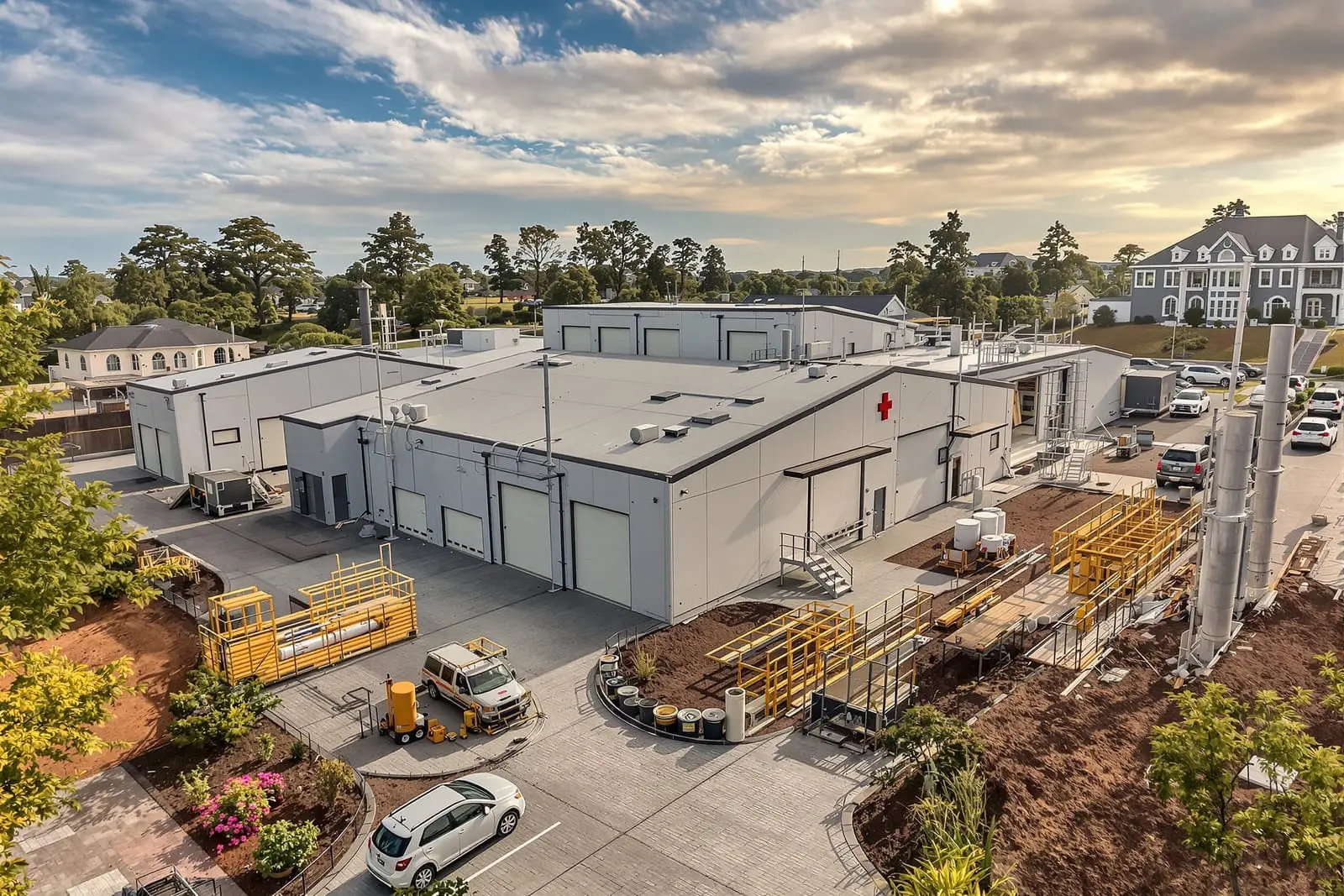
Our plant decommissioning and dismantling services in Pittsburgh, PA guide facilities from shutdown to a cleared or repurposed site. We inventory equipment, manage asset recovery, disconnect utilities, and dismantle process systems and structures. With careful sequencing and documentation, we reduce risk and maximize value during decommissioning.
Wrexo Demolition Pittsburgh provides professional plant decommissioning throughout Pittsburgh, PA and the surrounding area. Our licensed, insured crew delivers safe, clean, on-time work with a free estimate before anything begins. Call (412) 618-0591 or request your free quote.
Plant Decommissioning in Pittsburgh, Done Methodically and Safely
Plant decommissioning is more than tearing out old equipment. It is a carefully sequenced process that protects your people, your site, and your future use of the property. At Wrexo Demolition Pittsburgh, we focus on safe, code-compliant plant decommissioning for industrial, manufacturing, and energy facilities across the Pittsburgh region.
Our clients range from owners of small fabrication shops along the rivers to managers of older steel and glass facilities in the Mon Valley. Many of these plants were built between the 1940s and 1980s, which means legacy utilities, outdated electrical systems, and a high likelihood of asbestos and other regulated materials. We account for those realities from day one so you are not surprised halfway through the project.
From initial survey to final sign off, our goal is to let you shut down or repurpose a facility without unnecessary downtime, safety incidents, or issues with the Pennsylvania Department of Environmental Protection or local building officials. We take on the planning burden, explain options clearly, and keep you informed at each step so the process stays predictable rather than stressful.
Step 1: Detailed Site Assessment and Decommissioning Plan
Every plant decommissioning project in Pittsburgh begins with a comprehensive site assessment. We walk the entire facility with you, review any existing plans or utility drawings you have, and identify all equipment, structures, and hazards that need to be addressed.
We look closely at production lines, mezzanines, pits, overhead cranes, boilers and chillers, tank farms, dust collection systems, and aging utility runs that are common in older Western Pennsylvania plants. We also map access routes for trucks and equipment, a real concern in dense industrial pockets like Lawrenceville and the Strip District where alleys are narrow and neighboring properties are very close.
From this walkthrough we develop a written decommissioning plan. It typically includes a detailed list of assets to be removed or preserved, shut down and isolation procedures for electrical, gas, steam, compressed air, and process piping, a sequence for dismantling and load out so operations can continue in unaffected areas where needed, and an environmental and safety plan that addresses asbestos, lead paint, PCBs, oils, coolants, and other regulated materials.
We use this plan to create a realistic schedule and cost breakdown. You will see how long each phase should take, what resources are required, and which steps must be completed before others. That transparency lets you coordinate with tenants, utilities, insurers, and potential future buyers or tenants of the property.
Step 2: Utility Isolation, Environmental Testing, and Permits
Before we loosen a single bolt, Wrexo Demolition Pittsburgh focuses on safe isolation. In many local plants, utilities have been expanded multiple times over the decades. It is common to find abandoned piping that still has residual product or electrical circuits tied into multiple panels. Cutting something that is still live is not an option.
We work with you and, when needed, directly with Duquesne Light, Peoples Gas, and local water and sewer authorities to verify shut offs. Our crew locks out and tags out affected circuits and valves, then physically tests them to confirm they are de-energized or depressurized. This step protects your employees and ours, and it prevents unplanned releases that could trigger regulatory action or neighborhood complaints.
At the same time, we coordinate environmental testing where needed. For older Pittsburgh facilities, that typically includes asbestos surveys for pipe insulation, boiler lagging, roofing, and floor tile, lead paint testing on structural steel and machine guards, and sampling of oils and coolants from transformers, hydraulic systems, and machining centers to check for PCBs or other contaminants.
Using the test results, we integrate abatement and special handling into the project plan. We also secure required permits from the City of Pittsburgh or your municipality and coordinate with air quality regulators where demolition or interior dismantling could create dust or emissions. By addressing these items upfront, we cut the risk of stop work orders and schedule slips once the physical dismantling begins.
Step 3: Selective Dismantling, Salvage, and Controlled Demolition
Once the plant is safe to work in, our crew begins the physical side of decommissioning. For many Pittsburgh clients, the priority is selective dismantling rather than wholesale demolition, especially in multi tenant industrial buildings or when part of the facility will remain in use.
We start with equipment and systems that can be disconnected, drained, and removed intact. This may include CNC machines, conveyors, ovens, mixers, tanks, racking, and electrical gear. When resale or redeployment is an option, we use rigging, cranes, and forklifts to lift units as a whole, protect sensitive components, and stage them for shipment or auction.
For large or complex systems that cannot be removed in one piece, we cut and dismantle them in a controlled manner. Common examples in local plants include overhead bridge cranes, tall dust collectors, large ductwork runs, and structural mezzanines that were added to older buildings without current code detailing. We use torches, saws, shears, and high reach equipment to systematically take them down while maintaining structural stability.
If your goal is full plant decommissioning with building demolition, we integrate structural demo into the final phases. Where buildings are to remain, we carefully separate demolition areas from occupied spaces using temporary barriers and negative air controls, then remove selected walls, floors, or roofs without compromising what stays. Throughout, we segregate scrap metals, concrete, brick, and clean wood so you recover value where possible and minimize disposal costs.
Handling Hazardous Materials, Waste, and Pittsburgh Specific Challenges
Older industrial properties in and around Pittsburgh often include hidden complications: underground pits filled with oily sludge, sumps that connect to old combined sewers, legacy fuel tanks, and contaminated floor joints. Ignoring these problems during plant decommissioning can lead to expensive surprises later or problems during a property transfer.
Wrexo Demolition Pittsburgh coordinates with certified environmental contractors when specialized remediation is required, but we manage the sequence so removal of contaminated materials fits smoothly into the overall schedule. For example, we will uncover and clean machine pits before heavy equipment traffic increases, and we schedule tank removals before access is blocked by other dismantling work.
We also take local site constraints into account. Many city plants sit along the rivers or in tight neighborhoods, so staging space for containers and cranes is limited. We plan waste and scrap loads so containers arrive and depart in a steady flow instead of clogging your yard, and we may use smaller trucks or off hours loading where streets are narrow or heavily traveled.
Disposal and recycling options are chosen with both cost and compliance in mind. Clean scrap metal goes to regional recyclers, concrete and masonry can often be crushed for fill, and regulated wastes go only to approved facilities. You receive documentation of disposal and recycling tonnages, which supports Phase I and Phase II environmental assessments and can be important if you are preparing a site for redevelopment or a sale.
Costs, Scheduling, and How Wrexo Demolition Pittsburgh Keeps Projects on Track
Plant decommissioning costs in Pittsburgh vary widely, but several factors consistently drive the budget. The size and complexity of the facility, the volume of equipment and structures to be removed, and the extent of hazardous materials or contamination all play large roles. Accessibility, such as limited truck access or low clearances for equipment, also affects costs and schedule.
During the planning phase, we break your project into logical segments and price them transparently. You will typically see separate line items for utility isolation and verification, equipment removal and rigging, structural dismantling, environmental or hazardous materials handling, and waste hauling and tipping fees. If you plan to sell or reuse equipment, we can structure the project so salvage value offsets part of the cost.
Scheduling is just as important as pricing. Many Pittsburgh plants need to coordinate with ongoing production, lease expirations, or redevelopment milestones. We create a detailed schedule that identifies critical path tasks, such as securing permits or completing asbestos abatement, and we build in realistic allowances for inspections and unforeseen findings like hidden piping or unrecorded foundations.
Wrexo Demolition Pittsburgh assigns a dedicated project lead who becomes your single point of contact. They hold regular progress check ins, adjust manpower and equipment as conditions change, and provide you with clear updates on what has been completed and what comes next. Our goal is to leave you with a clean, compliant, and safe facility or building pad, ready for its next use, without surprises at the end of the job.
“
Professional plant decommissioning and dismantling, done right the first time, quality materials, honest pricing, and results that last.
Wrexo Demolition Pittsburgh
Plant Decommissioning and Dismantling Across Our Service Area