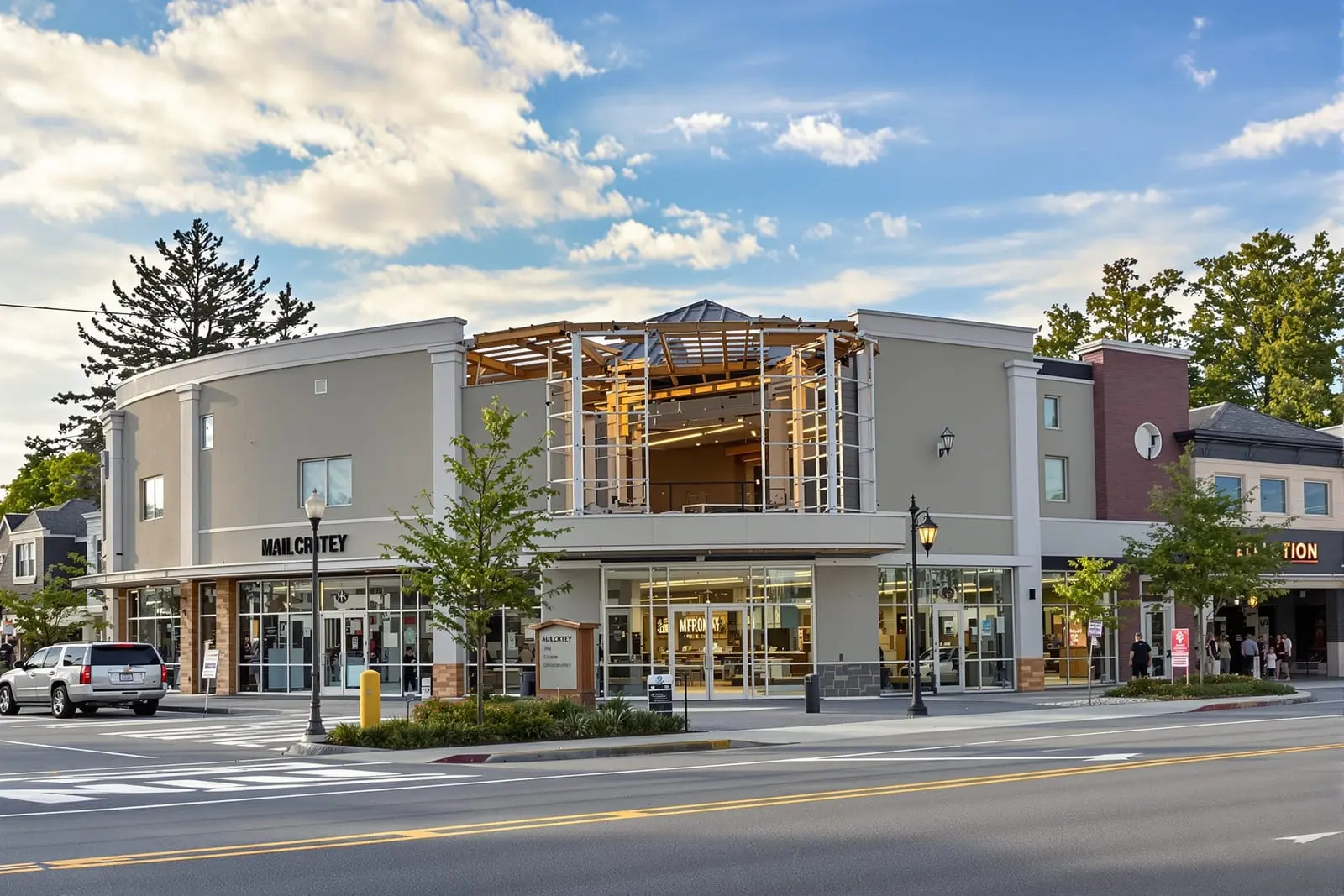
We provide mall, retail, and restaurant demolition services in Pittsburgh, PA for remodels, closures, and new tenant build outs. Our crews remove storefronts, kitchens, bars, fixtures, and interior finishes while coordinating with property management. Efficient night and off hour work keeps disruptions to shoppers and neighbors minimal.
Wrexo Demolition Pittsburgh provides professional retail demolition throughout Pittsburgh, PA and the surrounding area. Our licensed, insured crew delivers safe, clean, on-time work with a free estimate before anything begins. Call (412) 618-0591 or request your free quote.
Retail Demolition in Pittsburgh That Protects Your Investment
Wrexo Demolition Pittsburgh focuses on safe, efficient mall, retail, and restaurant demolition that respects your schedule, your neighbors, and your future build-out. Whether you are clearing a storefront in the Strip District, gutting a restaurant in Shadyside, or turning a mall wing in Robinson into new space, our focus is to remove what you do not need while protecting what you do.
Retail demolition is not just tearing out walls. It is a controlled process that has to account for shared walls, active tenants, overhead utilities, fire protection systems, and strict local rules. We plan every job so the surrounding stores stay open, the building stays code compliant, and your contractor receives a clean, accurate starting point for the next phase.
Because we are based here in Pittsburgh, we know how local landlords, mall management companies, and city inspectors like work to be done. That helps prevent delays, surprise costs, and conflicts with property management while your space is being turned over.
Interior Demolition for Stores, Inline Retail, and Mall Tenants
Most mall and retail projects in Pittsburgh are interior selective demolition rather than full tear downs. Wrexo Demolition Pittsburgh typically starts with a detailed walk-through with the tenant, landlord, or GC to identify exactly what must go. This may include partitions, stockroom walls, office build-outs, dressing rooms, display fixtures, and shelving systems.
We then cap and make-safe utilities that serve only your unit. For example, we coordinate with building maintenance to shut down branch electrical panels, isolate HVAC drops feeding your space, and identify which sprinkler heads can be removed or must remain to satisfy NFPA and City of Pittsburgh fire code. Once systems are made safe, our crew systematically removes ceilings, lighting, and interior walls, usually working from the back of the space toward the storefront.
In enclosed malls, loading docks and freight corridors limit when debris can move. We schedule work around mall hours and use wheeled containers and dust-controlled methods so common areas remain clean for shoppers and other tenants. When required, we install temporary barricades at the storefront so demolition happens behind a clean wall or branded graphic, keeping the corridor presentable during your turnover period.
Restaurant Demolition: Kitchens, Grease Systems, and Health Code Concerns
Restaurant demolition in Pittsburgh has its own set of challenges. Kitchens in places like Lawrenceville, South Side, or downtown towers are tightly packed with gas lines, grease ducts, walk-in coolers, and heavy equipment. Wrexo Demolition Pittsburgh begins by tracing all gas, water, and electric serving kitchen equipment and working with a licensed plumber or electrician, if needed, to disconnect and cap lines to code.
We remove hoods, make-up air units where within scope, and associated ductwork carefully since many older buildings in Pittsburgh have grease ducts that pass through other tenants or exit on busy alleys. Grease-laden ductwork is handled using containment and lined carts to avoid leaks and stains in shared corridors or elevators. Floor tile, quarry tile, and concrete pads under coolers are broken out as required by your new layout and health department expectations.
Most restaurant projects involve dealing with accumulated grease, food residue, and sometimes minor mold or moisture issues around dish areas. Our team strips finishes, scrapes contaminants, and prepares the substrate so your general contractor or flooring installer is not fighting old adhesives, mastic, or uneven slabs. We also coordinate with you on leaving or removing bar structures, restroom partitions, and existing ADA ramps so the final condition matches the plans your architect has submitted for permit.
What Drives the Cost of Mall, Retail, and Restaurant Demolition
Wrexo Demolition Pittsburgh builds estimates around actual site conditions rather than generic square foot pricing alone. Several factors influence your project cost.
Access is usually the first driver. A second-floor space at Ross Park Mall that relies on freight elevators and has restricted dock hours takes more time and labor than a ground-level storefront in a strip center with direct dumpster access. The more hand-carrying and off-hours work needed, the higher the cost.
Another major factor is what you want removed versus what must remain. For example, a simple white-box scope that removes interior partitions and flooring but leaves the restroom, mechanical room, and ceiling grid is less intensive than a full gut that strips everything back to concrete deck and structural steel. Restaurants also cost more when heavy equipment, coolers, and grease systems must be cut up and removed.
Hazardous materials can change both cost and schedule. Many Pittsburgh retail spaces in older buildings have asbestos floor tile or mastic, especially downtown and in older neighborhood business districts. If suspected, we recommend an asbestos survey before demolition. If results are positive, a licensed abatement contractor must remove those materials before our crew can proceed. Unknown conditions in chases, ceilings, and behind wall panels can also require change orders once uncovered, so we build realistic allowances and communicate findings as soon as they appear.
Permits, Inspections, and Local Rules in Pittsburgh
Inside the City of Pittsburgh, many interior mall, retail, and restaurant demolition projects require permits, especially when moving or removing walls, affecting sprinkler systems, or altering means of egress. Wrexo Demolition Pittsburgh routinely coordinates with general contractors and design teams so that demolition scope aligns with the building permit and the drawings on file with the Department of Permits, Licenses, and Inspections (PLI).
For tenant spaces in suburban municipalities like Robinson, Monroeville, or Cranberry, the local building department or third-party inspection agency may require a separate interior demo permit or documentation that work is part of a larger renovation permit. We help owners and contractors identify what documentation is needed, such as demo plans, structural notes if bearing elements are impacted, and dumpster placement approvals from the property owner.
Many malls and retail centers around Pittsburgh also have their own rules. These can include certificate of insurance requirements listing both the landlord and management company, specified work hours, noise limits, and fire alarm impairment protocols. We review these rules before starting so there are no surprises, then provide proof of insurance, safety plans, and hot work permits when required, especially for torch cutting or saw cutting metals.
Safety, Noise, and Dust Control in Active Shopping Environments
Working in or near open stores requires extra care. Wrexo Demolition Pittsburgh structures every mall, retail, and restaurant demolition project around safety for shoppers, neighbors, and our crew. We start with clear separation of our work area using solid barriers or poly walls, signage, and locked points of access so the public cannot accidentally walk into a demolition zone.
Dust control is usually top of mind for landlords and nearby tenants. We use negative air machines with HEPA filtration when appropriate, misting during concrete cutting, and regular sweeping and vacuuming to keep corridors, elevators, and shared loading docks clean. For projects inside enclosed malls or vertical mixed-use buildings, we often protect floors with ram board or plywood and wrap door frames and elevator cabs to prevent damage during debris removal.
Noise is managed with careful scheduling. We plan the loudest work like concrete breaking, extensive saw cutting, or metal deck removal for hours that mall management or property owners approve, typically before opening or after closing. Our foreman maintains daily communication with facility management so any changes in schedule, alarms, or utility shutdowns are coordinated and announced in advance to neighboring tenants.
How Wrexo Demolition Pittsburgh Plans and Executes Your Project
A successful mall, retail, or restaurant demolition in Pittsburgh starts with a clear plan. Our process begins with an on-site visit where we review your lease obligations, turnover conditions, and construction drawings. We identify required removals, items you may need to salvage, and any landlord-specific standards like patching anchor holes, removing signage, or returning walls to a certain height.
Next, Wrexo Demolition Pittsburgh develops a written scope of work and phased schedule. In an active shopping center, for example, we may phase demolition to keep critical utilities live for neighbors and to match your build-out timeline. We also align our debris removal plan with local hauling regulations and recycling opportunities, which can be significant for metal fixtures, shelving, and ceiling grid.
During the work, you get one point of contact who updates you on progress, unexpected findings, and upcoming inspections. At the end, we perform a punch walk with you or your GC to confirm that conditions match your lease surrender requirements or the needs of the incoming build-out team. Floors, walls, and ceilings are left in a contractor-ready state, with penetrations properly filled or capped, and the site broom cleaned so construction trades can start without delay.
“
Professional mall, retail and restaurant demolition, done right the first time, quality materials, honest pricing, and results that last.
Wrexo Demolition Pittsburgh
Mall, Retail and Restaurant Demolition Across Our Service Area