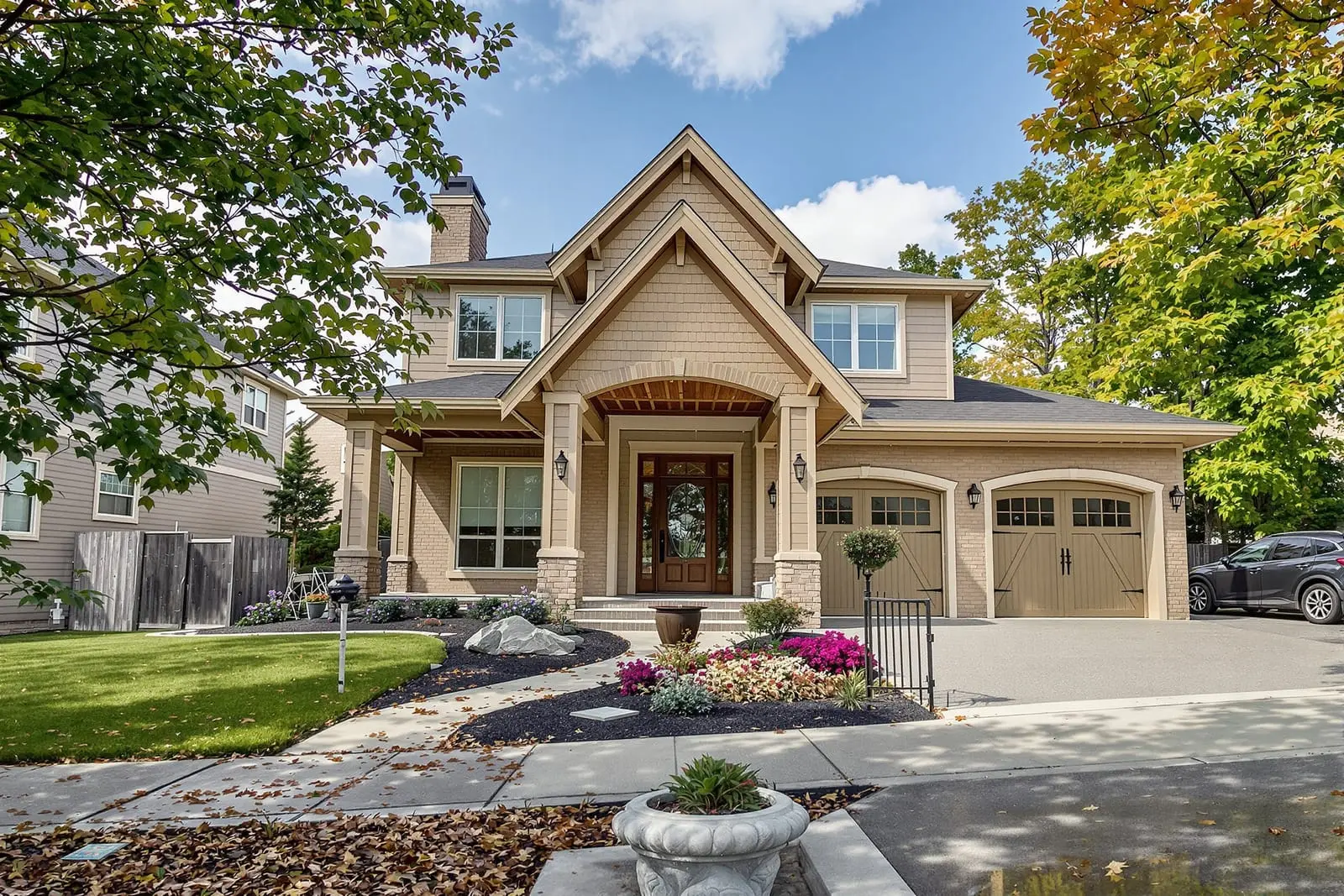
We offer residential deconstruction services in Pittsburgh, PA for homeowners who want to salvage materials and reduce waste. Our crews carefully dismantle structures to recover lumber, doors, fixtures, and architectural elements. You benefit from potential tax deductions, lower landfill usage, and more sustainable demolition.
Wrexo Demolition Pittsburgh provides professional residential deconstruction throughout Pittsburgh, PA and the surrounding area. Our licensed, insured crew delivers safe, clean, on-time work with a free estimate before anything begins. Call (412) 618-0591 or request your free quote.
Thoughtful Residential Deconstruction in Pittsburgh Neighborhoods
When Pittsburgh homeowners are ready to remodel or remove a structure, they often do not want a wrecking ball approach. Residential deconstruction focuses on carefully taking your house or interior spaces apart so materials can be salvaged, reused, or recycled instead of going straight to a landfill. Wrexo Demolition Pittsburgh provides residential deconstruction that fits older brick homes in Squirrel Hill, frame houses in Brookline, and everything in between.
Instead of crushing everything with heavy machinery, we plan how each part of the structure will come apart. That means identifying which components can be removed by hand, which need small equipment, and which are not safe to reuse. We also factor in narrow city streets, hillside lots, and tight driveways that are common around Pittsburgh. The result is a slower, more careful process that protects materials, keeps dust and noise down, and respects your neighbors.
For many homeowners, the goal is to prepare for a renovation, addition, or new build while saving money on disposal and keeping usable materials in circulation. We walk you through what can realistically be salvaged in your specific home, not a generic checklist. If your priority is preserving original features (like solid wood doors or antique radiators), we shape the deconstruction sequence around that.
Our Step by Step Residential Deconstruction Process
Every job starts with a site visit. A Wrexo Demolition Pittsburgh project manager walks the property with you, reviews any renovation or new build plans, and looks closely at how the house was built. We check framing type, foundation style, presence of brick or stone, and previous remodels. We then identify salvage targets like hardwood flooring, kitchen cabinets, fixtures, and architectural trim.
Next, we create a written deconstruction plan. This covers safety, material handling, and the sequence of work. For example, in a South Side row house with shared walls, we focus first on interior finishes, then non-structural walls, and save any work near party walls for last with extra bracing in place. On a single family home in Ross Township, we might start with outbuildings and porches so dumpsters and material pallets can be staged efficiently.
Before tools come out, we disconnect utilities in coordination with Duquesne Light, Peoples Gas, and local water authorities. We verify gas shutoffs at the meter, cap water lines, and make sure electrical service is safely disabled. Only after that do we begin selective stripping, starting with items that are easiest to remove intact, such as doors, light fixtures, appliances, and cabinets.
As the work progresses, we move inward to flooring, trim, built-ins, and then non-load bearing walls. Structural elements like beams and rafters are removed last and only after temporary supports are installed where needed. Throughout the process, we separate materials as we go so salvageable lumber does not get mixed with broken debris. This sequence keeps your project safe, organized, and ready for the next contractor to step in.
What Can Realistically Be Salvaged From a Pittsburgh Home
Every house offers different salvage opportunities, especially in an older city like Pittsburgh. Wrexo Demolition Pittsburgh has deconstructed homes from the early 1900s through recent builds, and we have a good sense of what usually survives removal in reusable condition.
Common salvage items include solid wood doors and frames, hardwood flooring like oak and maple, cast iron radiators, stone sills, and brick from non-structural walls. In many pre war houses, trim profiles and stair parts are valuable because they match features no longer available off the shelf. Well built kitchen cabinets, especially real wood boxes rather than particle board, can often be removed in sections and reused or donated.
Salvage is not guaranteed for every item. Some plaster walls crumble during removal, old wiring cannot be reused, and water damaged framing or moldy materials must be discarded. We explain these limits clearly before work starts so you know what to expect. In some cases, we cut large elements into manageable sections while preserving character, such as trimming a long porch beam into shorter pieces that can still be reused as mantels or workbenches.
We also help you decide what to keep on site, what to sell or donate, and what to send for recycling. For example, clean dimensional lumber might be stacked in your garage for a future project, while surplus brick can go to a local reuse yard. Our crews label and palletize materials when appropriate so the next user does not have to sort through a mixed pile of debris.
How Pittsburgh Weather and Site Conditions Affect Scheduling
Residential deconstruction involves more hand work than mechanical demolition, which makes timing and weather more important. Pittsburgh winters bring freeze thaw cycles, icy driveways, and limited daylight. Wrexo Demolition Pittsburgh typically focuses on interior deconstruction during the coldest weeks, using temporary heat and dust control inside while minimizing exterior tear off that exposes framing.
In spring and early summer, frequent rain means planning around mud and soft ground, especially in hillside neighborhoods like Mount Washington and Dormont. We use ground protection mats where trucks or equipment must cross lawns, and we avoid stacking heavy material pallets near slopes that might shift when the soil is saturated. When roof sections are coming off as part of deconstruction, we watch the forecast closely and stage temporary tarps or sheathing so your structure is not left open before a storm.
Fall is often ideal for full house residential deconstruction because temperatures are moderate and humidity is lower. However, leaves can hide trip hazards and cover sidewalks, so our crews keep walking areas cleared and brooms on site. Whatever the season, we build a schedule with weather flexibility, then keep you and your contractor updated if conditions require resequencing tasks, such as stripping interiors first and saving exterior cladding or roofing for a dry window.
Cost Factors and Ways to Control Your Deconstruction Budget
Residential deconstruction usually costs more in labor than quick mechanical demolition, but it can save significantly on disposal fees and provide value through reuse. Wrexo Demolition Pittsburgh is transparent about what drives cost so you can decide where careful deconstruction makes sense and where simple tear out is more practical.
Key cost factors include house size, number of stories, accessibility for dumpsters or trucks, age and complexity of construction, and how much hand labor is required to protect specific items. A narrow alley access in Lawrenceville, for example, might require smaller dumpsters and more trips, which affects hauling charges. Extensive plaster and lath interiors take longer to remove cleanly than modern drywall.
Hazardous materials also influence budget. If asbestos containing floor tile, mastic, or insulation is present, licensed abatement must occur before deconstruction in those areas. Lead paint on trim or windows does not stop salvage but does require specific handling and containment methods. We identify these concerns during the site visit so there are no surprises once work begins.
Homeowners can help control costs by prioritizing what matters most. You might choose full careful salvage in a living room with custom built ins and hardwood, but simpler removal in a small 1980s bathroom. Grouping deconstruction with other planned work, such as concrete removal or a small garage tear down, can also spread mobilization and hauling costs across more scope.
Protecting Your Property, Neighbors, and the Environment
Working in tight Pittsburgh neighborhoods means deconstruction affects more than just one property. Wrexo Demolition Pittsburgh takes neighbor relations and environmental responsibility seriously on every residential deconstruction project.
We start with practical protections for your home and the ones beside it. That includes interior dust barriers, floor coverings on routes to exits, and plywood or foam protection wherever salvaged items are staged. Outside, we protect sidewalks and shared driveways from dropped debris and nails by using debris nets, magnetic sweepers, and regular cleanups.
Noise and parking are common neighbor concerns. Our crews keep work during standard daytime hours, limit loud saw use early in the morning, and coordinate parking so we are not blocking alleys or on street spaces longer than necessary. On steep or narrow streets, we often schedule deliveries and dumpster swaps during off peak hours to reduce congestion.
From an environmental standpoint, the main benefit of residential deconstruction is simple: less material buried in landfills. Separating metal, clean wood, masonry, and reusable fixtures allows more of your house to stay in circulation. We document weights and destinations where possible so you can see how much material was diverted, which can be useful for green building goals or just personal peace of mind.
What to Expect When You Hire Wrexo Demolition Pittsburgh
Before any contract is signed, Wrexo Demolition Pittsburgh provides a written scope that describes which parts of your home will be deconstructed, what materials we will attempt to salvage, what will be recycled, and what must be landfilled. You see exactly what is included, including utility disconnect responsibilities, permit needs through the City of Pittsburgh or surrounding municipalities, and site restoration details.
During the job, you will have a single point of contact who is reachable by phone or text. If you change your mind about keeping certain items or discover new goals, like reusing more brick in your new landscape, we adjust the plan where safely possible. Our crew leaders hold short daily check ins with you or your general contractor to review progress and the next steps.
When deconstruction is complete, we leave the site organized and ready for the next phase. That might mean a clean open shell ready for interior framing, a cleared foundation for a new build, or a fully cleared lot with salvaged materials neatly stacked or removed according to your wishes. We perform a final walkthrough with you, confirm that agreed salvage items have been set aside, and provide haul tickets or recycling documentation when requested.
The result is a residential deconstruction project that respects your home, your street, and your budget, while giving useful materials a second life in Pittsburgh instead of wasting them.
“
Professional residential salvage and deconstruction, done right the first time, quality materials, honest pricing, and results that last.
Wrexo Demolition Pittsburgh
Residential Salvage and Deconstruction Across Our Service Area