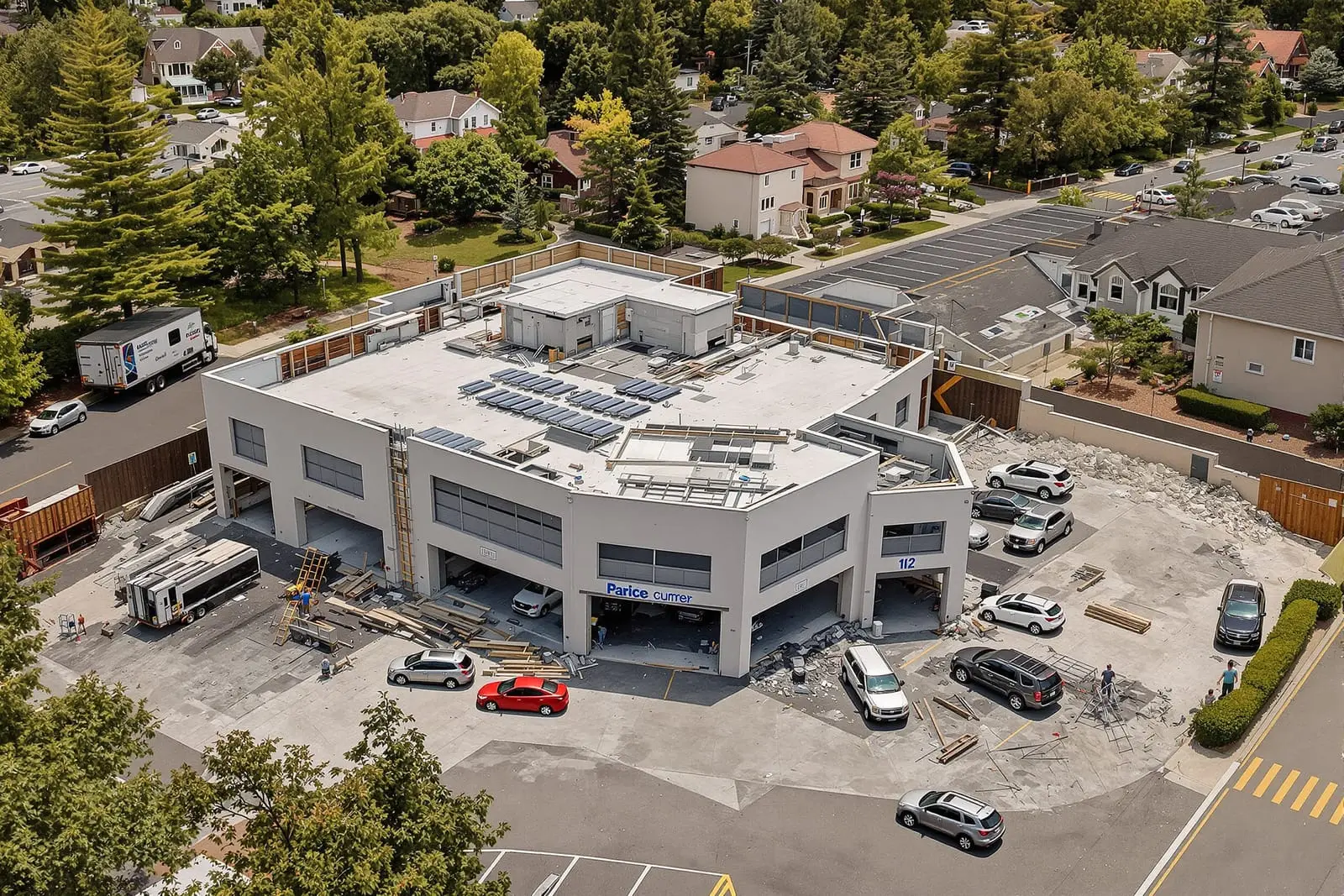
We provide parking garage demolition in Pittsburgh, PA for aging or obsolete decks and structures. Our engineered plans cover sequencing, bracing, and controlled takedown of multi level concrete or steel garages. With tight site logistics and debris recycling, we deliver safe, efficient garage removal in busy urban environments.
Wrexo Demolition Pittsburgh provides professional parking garage demolition throughout Pittsburgh, PA and the surrounding area. Our licensed, insured crew delivers safe, clean, on-time work with a free estimate before anything begins. Call (412) 618-0591 or request your free quote.
Parking Garage Demolition in Pittsburgh, Done the Right Way
Parking garage demolition is never a simple teardown. These structures are heavy concrete and steel shells that sit close to streets, utilities, and neighboring buildings. Wrexo Demolition Pittsburgh focuses specifically on the challenges that come with multi-level parking garages and concrete structures in and around the city.
In the Pittsburgh area, many older garages were built in tight urban spaces next to hospitals, office towers, and stadiums. That means we cannot just bring in large equipment and start knocking things down. We start every project with a detailed site walk, review of existing structural drawings when available, and a conversation with you about surrounding operations, such as hospital traffic, building access, and event schedules.
Our team understands local conditions like hillside construction, aging concrete, and snow and freeze-thaw damage that can weaken decks and beams. This local knowledge helps us choose the safest and most efficient strategy to bring your garage down, whether it is a small two-level structure in a neighborhood or a large downtown facility.
How Our Parking Garage Demolition Process Works
Wrexo Demolition Pittsburgh follows a step-by-step process so you know exactly what will happen and when.
1. Site assessment and planning. We examine structural elements, ramp layouts, column spacing, and deck thickness. We assess how close the structure is to sidewalks, traffic, and nearby buildings. We also locate utilities such as gas, electric, water, and fiber lines. In Pittsburgh, many garages are tied into older underground utility runs, so we verify locations with both records and on-site locating.
2. Engineering review. For multi-level concrete garages, we involve a structural engineer to decide where to start demolition, how to support remaining portions during work, and what equipment and sequencing makes sense. The engineer may specify temporary shoring, cut patterns in slabs, or the order that ramps and beams are removed.
3. Permits and coordination. We handle demolition permits with the City of Pittsburgh or nearby municipalities, and when needed we coordinate traffic control plans, sidewalk closures, and neighbor notifications. For garages near major roads or in the Golden Triangle, we often schedule certain heavy operations during off-peak traffic hours or weekends.
4. Hazard removal. Before structural demolition, we remove lighting, signage, payment machines, fire alarms, sprinkler piping, striping materials where needed, and any hazardous components like certain coatings or asbestos containing materials in older structures. If asbestos is present, licensed abatement is completed before we touch the main structure.
5. Structural demolition. Once the site is prepared, we use high reach excavators, concrete processors, hydraulic hammers, and shears to take the structure down in a controlled sequence. Garages are usually demolished level by level, with debris constantly cleared to maintain safe access.
6. Debris removal and recycling. Concrete is typically processed on site or nearby for recycling into aggregate, and steel reinforcement is separated and sent to local scrap facilities. Finally, we rough grade the site and prepare it for your next phase, whether that is a new garage, a building, or temporary surface parking.
Methods We Use to Take Down Parking Structures Safely
There is no single method that fits every parking garage demolition project. Wrexo Demolition Pittsburgh chooses the approach that matches your structure, site, and surrounding activity.
For typical cast in place concrete garages, we usually use mechanical demolition with large excavators and attachments. Crews start from the top deck and work downward, breaking slabs into manageable sections and cutting reinforcing steel. On tight Pittsburgh streets, we plan machine placement carefully so that equipment remains within the footprint and debris does not fall into public areas.
For post-tensioned concrete garages, which are common in some newer facilities, we follow strict procedures to release or cut tensioned cables safely before major demolition proceeds. This prevents unpredictable slab movement and protects both workers and nearby structures.
Attached garages or podium structures that share walls or are built under residential or office buildings require selective demolition. In these cases, we sawcut concrete to create clean separation joints and remove structural members in smaller sections. Vibration and noise control also become more important, so we may use more concrete saws and processors instead of heavy hammering during certain hours.
Occasionally, a garage may be a steel frame with concrete plank decks. These can come down faster, but they are still sequenced carefully, removing deck panels, beams, then columns, while maintaining stability. For every method, we plan for dust suppression, debris containment, and fall protection in detail, not as an afterthought.
What Drives the Cost of Parking Garage Demolition
Parking garage demolition pricing depends on more than just square footage. Wrexo Demolition Pittsburgh explains the cost factors up front so you can budget accurately and avoid surprises.
Key cost drivers include:
1. Structure size and height. More levels and thicker slabs mean more labor, equipment time, and debris volume.
2. Construction type. Heavily reinforced cast in place concrete and post tensioned systems are usually more time consuming than light steel structures or precast decks.
3. Access for equipment. If we can bring full size excavators directly to the site with space for debris loading, costs are lower. Tight alleys, steep slopes, or overhead restrictions (like bridges or power lines) may require smaller machines or staged work, which increases time.
4. Location and traffic control. Demolition in a downtown Pittsburgh setting or near critical facilities such as hospitals or universities typically requires more planning, flaggers, barriers, and overtime to work during off peak hours.
5. Hazardous materials. Asbestos containing materials, certain old waterproofing membranes, or lead-based paints require specialized handling, removal, and disposal.
6. Debris hauling distances and recycling options. If concrete can be crushed and reused close to the site, costs are lower. If everything must go to distant disposal sites, trucking and tipping fees increase.
When Wrexo Demolition Pittsburgh prepares a quote, we walk you through these variables and provide options when possible, such as on-site crushing, phased work, or alternative access routes that can help control your budget.
Safety, Noise, and Neighbor Impact Management
Parking garages often stand where people live, work, or receive care, so demolition needs to respect both safety and daily life. Wrexo Demolition Pittsburgh puts impact management at the core of our planning.
We build site specific safety plans that address fall hazards at open edges, potential slab instability, and equipment movement on upper levels. Guardrails, spotters, and controlled work zones keep crews and third parties separated from active demolition. For multi-level work, access ramps and temporary barriers are laid out so machines can move without risk of running near unprotected drops.
Noise and vibration are major concerns, especially near hospitals, residential towers, and offices. We schedule the loudest work, such as hammering thick slabs, during agreed upon time windows and, when possible, rely on quieter concrete processors for much of the breaking. Water trucks and misting hoses are used to control dust, which is particularly important during dry summer stretches in Pittsburgh.
Traffic management is another critical piece. For garages that open onto busy city streets, we work with local authorities to design lane shifts, temporary closures, and detours. Clear signage helps drivers and pedestrians move safely around the site. Before work starts, we can assist you in communicating demolition schedules to tenants, neighboring businesses, or institutions so everyone knows what to expect.
Planning Timeline and When to Schedule Parking Garage Demolition
Demolition of a parking structure is often the first visible step in a larger redevelopment or renovation. Wrexo Demolition Pittsburgh helps you align your demolition schedule with design, financing, and construction timelines so you do not lose valuable months.
In the Pittsburgh climate, many clients prefer to schedule major garage demolition activities between late spring and late fall. This reduces weather delays related to snow and ice and makes dust control with water more effective. That said, we perform winter demolitions as well, with adjustments for shorter daylight hours and cold weather safety.
Early planning is essential. Ideally, clients contact us three to six months before their target start date. That window allows time for structural assessment, utility coordination, permit applications, and any needed environmental testing. If your project is adjacent to critical operations, like a medical center or transit facility, additional time may be needed for stakeholder meetings and traffic plans.
By talking with Wrexo Demolition Pittsburgh early, you can also coordinate demolition with your next builder or garage contractor. We can leave specific elements in place temporarily, such as certain foundations or utility supports, if the next phase requires it. We can also rough grade the site to match your next contractor’s needs, which saves time and avoids rework.
“
Professional parking garage and structure demolition, done right the first time, quality materials, honest pricing, and results that last.
Wrexo Demolition Pittsburgh
Parking Garage and Structure Demolition Across Our Service Area