Home › Selective and Partial Residential Demolition
Our selective demolition services in Pittsburgh, PA focus on removing only what your project requires. We carefully take out specific walls, rooms, or additions while preserving structural elements and finishes that remain. This precise approach keeps your renovation on schedule and minimizes reconstruction costs.
Wrexo Demolition Pittsburgh provides professional selective demolition throughout Pittsburgh, PA and the surrounding area. Our licensed, insured crew delivers safe, clean, on-time work with a free estimate before anything begins. Call (412) 618-0591 or request your free quote.
Selective Residential Demolition for Pittsburgh Homes
Selective demolition is controlled removal of specific parts of a house while protecting everything that stays. Wrexo Demolition Pittsburgh focuses on residential interiors and small structural components, not wrecking an entire home. This service is for homeowners who want to remodel, open up rooms, update mechanicals, or remove damage without starting from scratch.
In Pittsburgh, this often means gutting older kitchens in brick row homes, opening plaster walls in 1920s houses for new electrical, or taking out a load-bearing wall in a South Hills ranch. We remove what your contractor or architect specifies, then leave a clean, stable work area so the build-back can start immediately.
Our crews work in finished homes every day, so we plan for pets, kids, narrow city streets, and shared driveways. We manage dust, noise windows, and debris routes so the rest of your home stays usable as much as possible.
How Our Selective Demolition Process Actually Works
Each job with Wrexo Demolition Pittsburgh starts with a site visit and a marked plan. We walk the house with you and, if available, your contractor or designer. We mark what is coming out with tape or paint and confirm what must stay, including finishes, utilities, and structural elements.
Before we touch a wall, we shut down and lock out utilities in the work area. That typically includes shutting off circuits at the panel, capping water lines, and isolating gas if we are near gas piping. In older Pittsburgh homes, hidden knob and tube wiring is common, so we open small inspection holes first instead of ripping full sections at once.
We usually start from the top and work down. For interior selective demolition, this means ceiling finishes first, then walls, then flooring. Removing ceilings first exposes joists and mechanical lines so we can see where it is safe to cut studs or chase out plaster. We use hand tools, smaller demo hammers, and saws rather than heavy machinery so we can control vibration and protect adjacent rooms.
Materials are separated as we go. Clean wood, metal, and masonry go in different piles so we can recycle where possible. Nails and screws are removed or flattened at the subfloor and framing level to protect workers and the eventual installers.
Daily cleanup is part of the process. We bag debris, sweep and vacuum, and secure the area at the end of each day so you are not walking into an active mess after work.
Typical Selective Demolition Projects We Handle
Selective demolition covers a wide range of residential work across Pittsburgh. Common interior projects include full kitchen and bathroom gut-outs where cabinets, fixtures, plaster or drywall, and flooring come out, but framing, plumbing stacks, and main electrical panels remain.
Wall removals are another frequent request. We remove non-load-bearing walls entirely or cut large openings to create pass-throughs between dining rooms and kitchens in older city houses. For any wall that might be supporting weight, we work from engineer or architect drawings. We can also expose framing for your engineer when the structure is unknown.
Basement and attic cleanouts often involve removing old paneling, failing drop ceilings, unused ductwork, and rotten subfloor sections while leaving structural joists and foundation walls intact. In Pittsburgh, many basements show moisture damage, so we take extra care when pulling materials off masonry walls to avoid spalling or further cracking.
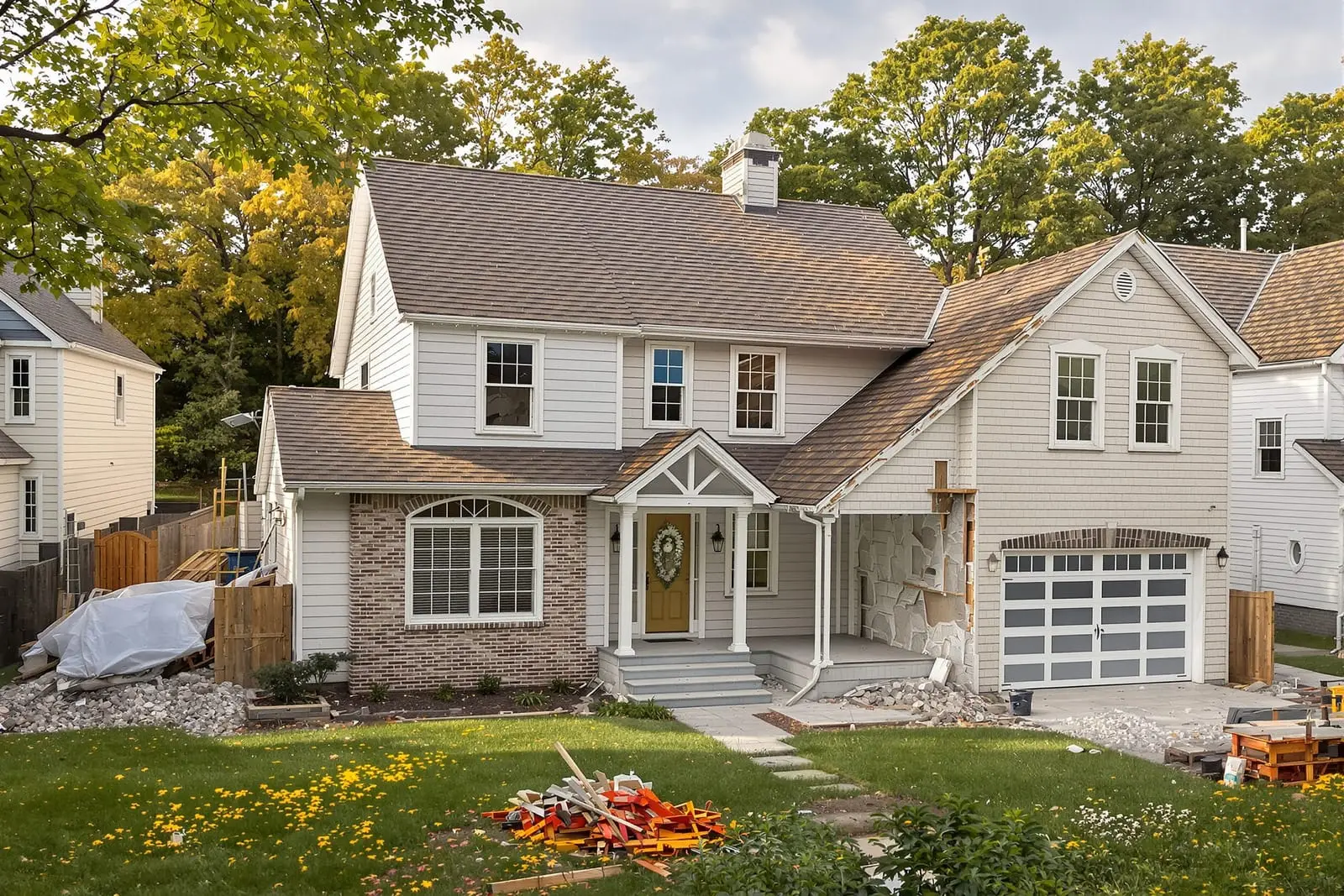
We also handle partial exterior elements, such as removing unsafe porches, concrete steps, or a single garage bay that ties into a house, as long as the work can be safely isolated from the main structure. These jobs require careful bracing and incremental removal so surrounding siding, windows, and roofing are not damaged.
Permits, Codes, and Local Considerations in Pittsburgh
For most interior selective demolition in Pittsburgh where the structure and exterior are not altered, a demolition-specific permit is not always required. However, if your project affects structural components, means of egress, or involves significant plumbing or electrical changes, the City of Pittsburgh or your local municipality may require building permits and inspections. Wrexo Demolition Pittsburgh coordinates with your general contractor or architect so demo timing lines up with permit approvals.
In the city, narrow streets and limited parking can limit container placement. We often use smaller dumpsters or conduct phased debris removal with a truck to avoid blocking traffic or upsetting neighbors. Some boroughs around Pittsburgh, such as Mt. Lebanon or Fox Chapel, may have specific rules on work hours, dumpster placement, and sidewalk protection. We check these in advance so you do not get surprise violations.
Historic homes in areas like Mexican War Streets, Shadyside, or older suburbs can have restrictions on exterior changes. Even though selective demolition is mostly interior, removing windows, porches, or exterior-facing masonry may need review. We advise you when to involve your HOA or local historic board before we schedule that kind of work.
Building codes also impact how far demolition should go. For example, if a wall is opened and we discover unsafe wiring or no fire-blocking in a shared wall, your inspector may require bringing that area up to current code before closing it back up. We document conditions with photos and keep exposed areas neat so inspectors and trades can work efficiently.
What Drives Cost and Timeline for Selective Demolition
Pricing for selective demolition is driven mostly by access, materials, and complexity, not just square footage. Wrexo Demolition Pittsburgh looks at how easy it is to reach the work area, how debris will move out, and what we must protect. Fourth-floor walk-ups in Lawrenceville, tight staircases, or no direct outdoor access will cost more than a ground-level open basement.
Materials matter. Plaster and lath with multiple tile layers on top cost more to remove than modern drywall because the weight is higher and the work is slower. Ceramic tile set in thick mortar beds, wire lath ceilings, and multiple generations of flooring (for example hardwood over linoleum over plank) all add time and debris volume.
Complications such as suspected asbestos, lead paint, or mold also affect cost and schedule. If we see 9 by 9 floor tiles, old pipe insulation, or certain textured ceilings that may contain asbestos, we stop and recommend testing. True asbestos abatement must be done by a licensed abatement contractor under Pennsylvania law, so we coordinate schedule and scope with them instead of pretending it is a simple demo.
Unexpected issues are common in Pittsburgh’s older housing stock. Hidden water damage, termite rot at sill plates, or unpermitted electrical splices inside walls can all appear once finishes come off. We plan for some contingency in the schedule and keep you updated with photos and written notes, so you and your contractor can make decisions quickly instead of stalling the project.
How Wrexo Demolition Pittsburgh Protects Your Home
Selective demolition is about control. Our crews start by protecting the parts of your home that are staying. That usually includes floor coverings from the entry to the work area, plastic barriers at doorways, and zipper walls where ongoing access is needed. We seal HVAC registers to keep dust out of your system and often run negative air machines with filters when we are doing heavy interior removal.
Inside the demolition zone, we protect items that must remain, such as built-in cabinetry, stair railings, or original trim that your designer wants to reuse. We cover and tape these with appropriate materials so vibrations and flying debris do not damage them. Fixtures that are to be salvaged, for example solid wood doors, radiators, or antique hardware, are carefully removed, labeled, and stored on-site as directed.
Noise and schedule are addressed up front. We set working hours that fit within local rules and your household routine. For attached homes or duplexes that share walls with neighbors, we limit heavy hammering to specific windows of time and communicate ahead of time when higher noise is expected.
At completion, we do a detailed sweep and magnet pass to pick up nails and metal fragments. The work area is left broom-clean, with debris removed and framing edges made safe. For many projects, your contractor can begin rough-in work the next morning with no delay because the selective demolition has already exposed exactly what they need.
“
Professional selective and partial residential demolition, done right the first time, quality materials, honest pricing, and results that last.
Wrexo Demolition Pittsburgh
Selective and Partial Residential Demolition Across Our Service Area